


A reader recently asked me: “When are we going to have a treatment that targets APOE4?”
It is a reasonable question. We have known for more than 30 years that APOE4 is the strongest common genetic risk factor for late-onset Alzheimer’s disease. We understand many of the ways it contributes to brain injury, and several experimental treatments have produced promising results.
Yet there is still no approved APOE4-targeted treatment.
The 2026 review of Alzheimer’s clinical trials by Cummings and colleagues identified 158 drugs in development (Figure 1). Only two were formally classified in the APOE, lipids, and lipoprotein-receptor category, although other relevant treatments appeared under different categories or had not yet entered clinical trials. [1]
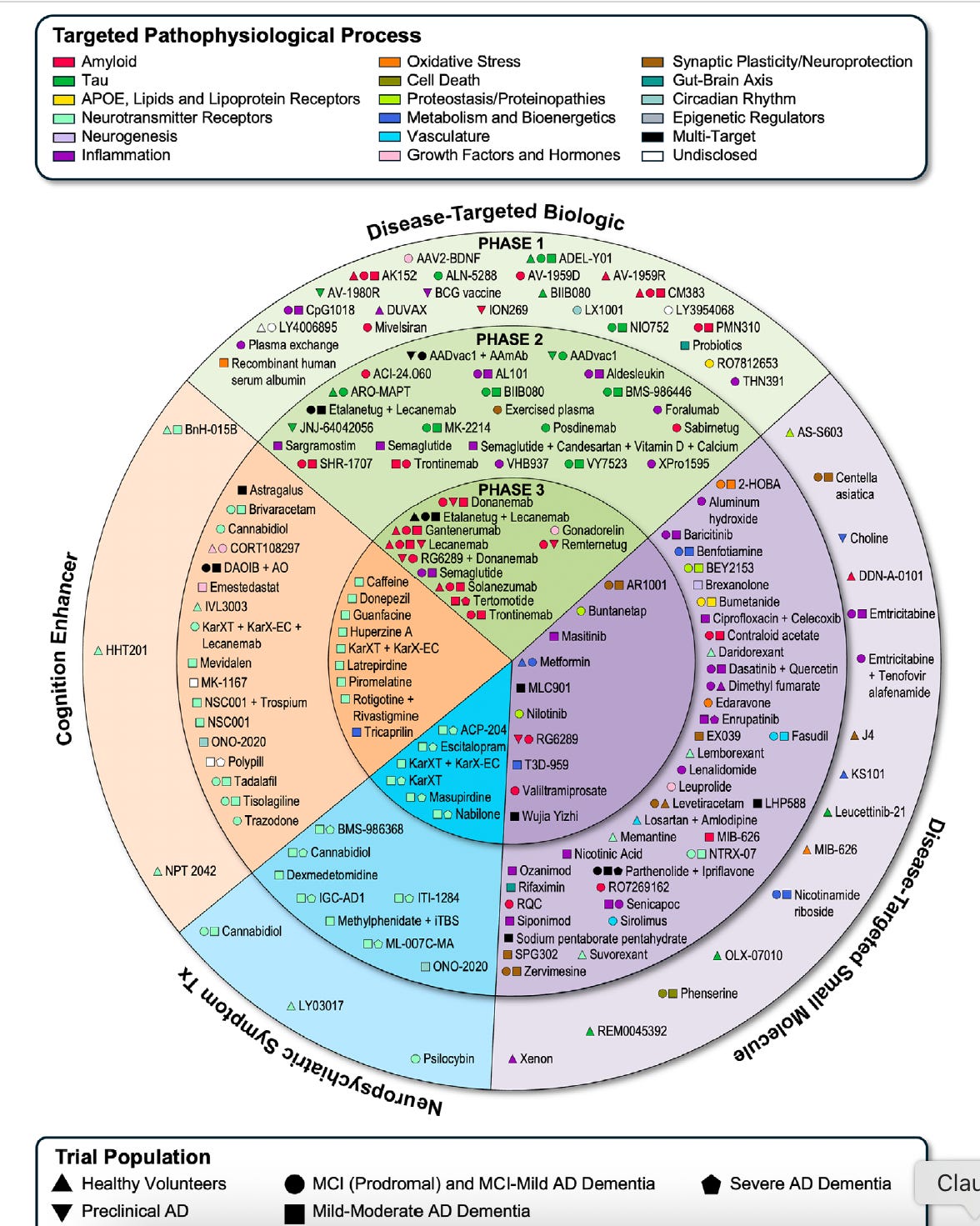
Why is the APOE pipeline so small?
Part of the answer is that understanding why a gene increases disease risk is not the same as knowing how to develop a drug against it.
To see where the field stands, we need to understand the milestones that separate a promising laboratory discovery from a treatment that can help patients.
What does it take to develop an Alzheimer’s drug?
Drug development generally requires five important steps.
1. Identify a biological target. We need evidence that changing a protein or pathway could alter the disease. For APOE4, the genetic evidence is exceptionally strong. The challenge is deciding which of its many biological effects should be modified.
2. Develop a drug that reaches the target. This is part of pharmacokinetics (PK), which describes how a drug is absorbed, distributed, metabolized, and eliminated. A drug may work beautifully in cultured cells but fail because insufficient amounts reach the human brain.
3. Demonstrate target engagement. We need evidence that the drug interacts with its intended target at a safe dose. Pharmacodynamics (PD) describes the biological effects that follow. For example, an APOE-lowering drug should reduce APOE production, while a cPLA2 inhibitor should suppress the enzyme’s activity.
4. Show an effect on disease biology. Does the treatment change amyloid accumulation, tau pathology, blood–brain barrier integrity, inflammation, or neuronal injury? Biomarkers measured in blood, cerebrospinal fluid, or brain imaging can help answer these questions.
5. Demonstrate clinical benefit. Ultimately, a treatment must preserve cognition, delay dementia, or provide another meaningful benefit, without unacceptable side effects.
These steps are related, but they are not interchangeable.
A drug can reach its target without improving disease pathology. It can improve a biomarker without preserving cognition. And a promising clinical observation can be difficult to interpret if we do not know whether the proposed target was actually engaged.
This framework helps explain both the progress and the difficulties in APOE drug development.
What Should We Target in APOE?
The challenge is that APOE is not simply a harmful protein that we can eliminate. APOE has essential functions in cholesterol transport, neuronal maintenance, and tissue repair, but APOE4 also contributes to amyloid accumulation, vascular dysfunction, and neuroinflammation.
This creates several therapeutic possibilities: reduce APOE4 production, correct its abnormal structure, improve its lipid-transport function, or block downstream pathways that damage the brain.
Each strategy involves a trade-off. Lowering APOE4 might reduce its harmful effects but also compromise its normal functions. Improving lipidation may restore some functions without eliminating others, while targeting vascular injury or inflammation may protect the brain without directly changing APOE4.
The central question is not simply how to target APOE, but which of its harmful effects can be modified safely while preserving the functions the brain needs.
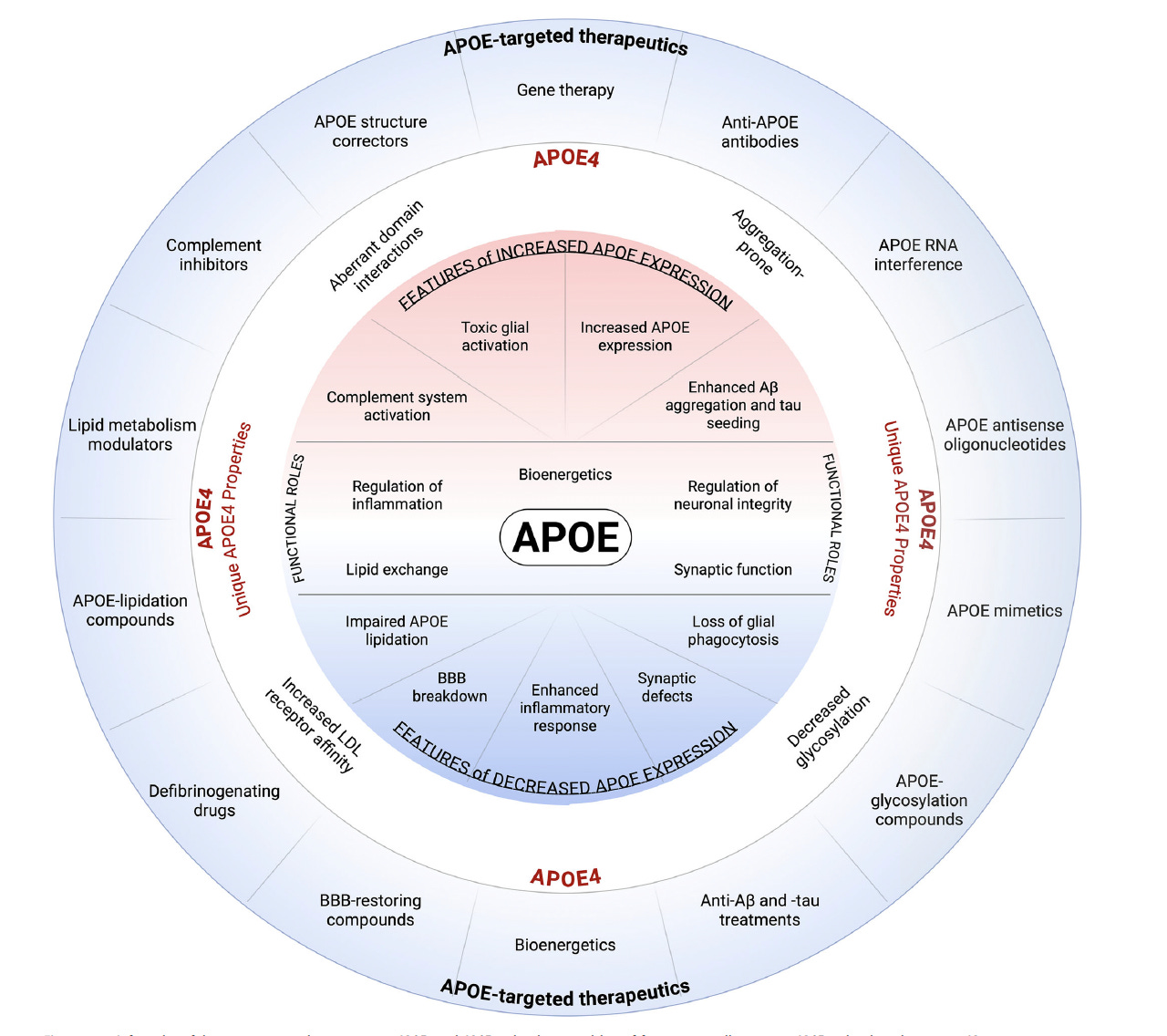
Figure 2. Multiple therapeutic strategies for targeting APOE in Alzheimer’s disease, from Yassine HN, et al. APOE-targeted therapeutics for Alzheimer's disease. Journal of Neuroscience. 2025.
Should we reduce APOE4 production?
One therapeutic strategy is based on evidence that APOE4 has harmful activities beyond its normal functions.
In a recent post, I presented evidence that greater CSF APOE4 levels are associated with more AD pathology.
Experimental studies show that APOE4 promotes early amyloid accumulation and contributes to tau-associated neurodegeneration. Reducing APOE expression in animal models has improved several disease-related outcomes. [2,3]
This led to the development of ION892, also called RO7812653, an antisense oligonucleotide (ASO) designed to reduce APOE production.
An ASO is a short synthetic molecule that binds messenger RNA, reducing production of the corresponding protein.
The Phase 1 mEADow trial began in 2026 in people with early symptomatic Alzheimer’s disease. The study is evaluating safety, drug exposure, and effects on APOE.
The immediate question is whether APOE can be reduced safely in the central nervous system.
This matters because APOE has essential functions in cholesterol transport, membrane maintenance, and cellular repair. Furthermore, ION892 reduces total APOE rather than selectively eliminating APOE4.
The next development step, if early results are favorable, would be to establish an appropriate dosing regimen and investigate whether APOE reduction improves disease biomarkers and clinical outcomes.
Status: Phase 1 clinical testing. No demonstrated clinical efficacy.
Could adding APOE2 counteract APOE4?
Another approach attempts to introduce the relatively protective APOE2 variant into the brain.
LX1001 uses an engineered viral vector to deliver APOE2 to people carrying two copies of APOE4.
Its initial Phase 1/2 study enrolled 15 participants. Investigators detected APOE2 in cerebrospinal fluid and reported preliminary biomarker changes. [4]
These findings support the feasibility of gene delivery, but they do not demonstrate that the treatment slows Alzheimer’s disease.
A larger controlled efficacy trial has not been established.
The challenge is determining whether enough APOE2 reaches the relevant cells to produce a meaningful effect. Long-term safety is also important because viral gene delivery may produce effects that persist for years.
Adding APOE2 also does not eliminate APOE4. Whether the protective variant can sufficiently counteract the harmful one remains uncertain.
Status: Early clinical study completed; further efficacy testing remains necessary.
Could we correct APOE4’s abnormal structure?
APOE4 differs from APOE3 by a single amino acid, but that difference changes how regions of the protein interact.
This observation led to the development of APOE4 structure correctors, small molecules intended to make APOE4 behave more like APOE3.
Experimental compounds, including GIND25 and PH002, improved several abnormalities in cultured neurons. Subsequent studies using human stem-cell-derived neurons found that structure correction reduced amyloid-related abnormalities, tau phosphorylation, and neuronal injury. [5,6]
These studies established an important principle: some harmful effects of APOE4 can be reversed without eliminating the protein.
However, no APOE4 structure corrector has advanced into an established human clinical trial.
The published studies demonstrate biological activity but do not establish all the properties required of a medicine, including adequate brain exposure, metabolic stability, selectivity, and long-term safety.
The public evidence does not identify a single definitive reason these compounds failed to progress.
This illustrates a recurring difficulty in drug development: a compound that validates a mechanism is not necessarily suitable for treating patients.
Status: Preclinical research; no established human clinical program.
Could improving peripheral APOE function protect the brain?
Another strategy focuses on the lipid-transport functions of APOE.
APOE carries cholesterol and other lipids through the circulation and within the brain. To function properly, APOE must acquire lipid cargo through a process called lipidation.
One protein involved in this process is ABCA1, a transporter that transfers cholesterol and phospholipids onto APOE and other lipid-carrying proteins.
CS6253 is a peptide designed to stimulate ABCA1-mediated lipid transport.
Its proposed therapeutic rationale is to improve the lipidation and stability of peripheral APOE, potentially influencing vascular function and pathways involved in amyloid-beta clearance.
This is different from suppressing APOE4 or directly correcting its structure inside brain cells.
The distinction between peripheral and brain APOE is important. Most circulating APOE is produced outside the brain, and the blood–brain barrier substantially separates the two APOE pools.
Consequently, improving APOE function in the circulation does not automatically establish that APOE function inside the brain has improved.
Early human studies of CS6253 examined tolerability and changes in circulating lipoproteins. Further clinical development was funded in 2026, including a planned Phase 2a study in APOE4 carriers with early Alzheimer’s-related impairment.
The next milestone is to determine whether changes in peripheral APOE lipidation are accompanied by improvements in vascular biology, amyloid clearance pathways, and Alzheimer’s biomarkers.
These mechanisms remain hypotheses to be tested in patients.
Status: Early safety clinical testing completed; further studies planned.
Could repairing the blood–brain barrier reduce APOE4-related injury?
APOE4 also affects the brain’s blood vessels.
The blood–brain barrier (BBB) is a specialized barrier formed by brain blood-vessel cells and supporting structures. It regulates the movement of substances between the blood and brain and helps protect neurons from potentially harmful circulating molecules.
Studies have linked APOE4 to BBB dysfunction, including increased permeability that can precede measurable cognitive decline. [7]
This raises another therapeutic possibility: rather than changing APOE4 itself, could we interrupt a pathway through which APOE4 damages the brain’s vasculature?
One candidate is cytosolic phospholipase A2 (cPLA2), an enzyme involved in inflammatory lipid signaling.
Our laboratory previously demonstrated increased cPLA2 activation in APOE4-associated experimental models, linking APOE4 to inflammatory signaling and oxidative stress. [8]
Subsequent drug-discovery work identified BRI-50460, a potent and selective cPLA2 inhibitor. Preclinical studies reported brain penetration in animals and improvements in several disease-related cellular abnormalities. [9]
An important therapeutic hypothesis is that inhibiting cPLA2-dependent inflammatory signaling could help restore blood–brain barrier integrity, thereby reducing vascular injury and downstream neuroinflammation.
This mechanism is distinct from reducing APOE4 expression. It attempts to interrupt one of the damaging pathways associated with APOE4 while preserving APOE’s normal functions.
However, the proposed BBB-restoring effect requires direct experimental and clinical validation. The published cellular findings do not, by themselves, demonstrate that the compound repairs the BBB in patients.
The next milestones are therefore clear: establish human PK and safety, demonstrate cPLA2 target engagement, and determine whether treatment improves validated measures of BBB integrity.
Ultimately, any vascular benefit must be linked to reduced neuronal injury and preservation of cognition.
Status: Preclinical drug development; human efficacy remains untested.
Could antibodies selectively remove harmful APOE?
A different approach is to remove abnormal forms of APOE while preserving normally functioning protein.
APOE can exist in different lipidation states and may form aggregates. Some experimental antibodies have been designed to recognize poorly lipidated or aggregated APOE.
Studies using the antibody HAE-4 demonstrated reductions in amyloid pathology in mouse models. [10]
Other antibody programs have investigated APOE aggregation or interactions with cell-surface molecules involved in amyloid accumulation.
The potential advantage is selectivity. Rather than suppressing all APOE production, an antibody might preferentially remove harmful APOE species.
But important questions remain.
Can the antibody reach sufficient concentrations in the brain? Does it recognize the relevant APOE species in humans? And can those species be removed without interfering with normal lipid transport?
These approaches remain largely preclinical.
Status: Experimental antibody programs; no demonstrated clinical efficacy.
What else is in development?
Several additional strategies are being investigated, although most remain at an early stage. The 2025 drug-discovery review by Hering and colleagues provides a useful inventory of these programs. [11]
Some use small interfering RNA (siRNA) to reduce APOE production. Others attempt to accelerate degradation of APOE4 protein after it has been produced.
Gene-based approaches include combinations of APOE4 suppression and APOE2 delivery, as well as experimental methods for modifying APOE gene expression.
These programs address an important limitation of the first generation of APOE-lowering treatments: reducing total APOE may remove beneficial functions along with harmful ones.
However, the next milestone for most of these approaches is still to demonstrate adequate delivery, selectivity, and safety.
Can changing blood lipoproteins influence Alzheimer’s pathology?
Two additional drugs are being investigated through mechanisms associated with APOE4 biology, although neither directly targets APOE4.
Obicetrapib inhibits cholesteryl ester transfer protein (CETP), an enzyme involved in lipid exchange between circulating lipoproteins.
The drug changes HDL composition, increases HDL cholesterol, and reduces LDL cholesterol.
In September 2026, a Phase 2b trial called SPINOZA began treating people with preclinical Alzheimer’s disease—individuals with evidence of Alzheimer’s pathology but no noticeable cognitive symptoms.
The primary endpoint is plasma phosphorylated tau 217 (p-tau217), a blood biomarker associated with Alzheimer’s pathology.
This trial is important because it tests whether changing systemic lipid metabolism can influence disease-related biomarkers before symptoms develop.
However, even a favorable p-tau217 result would not establish that obicetrapib prevents dementia.
Bumetanide, an established diuretic, was identified through computational studies seeking drugs that might reverse gene-expression patterns associated with APOE4-related Alzheimer’s disease.
It is being investigated in a Phase 2a study.
The main uncertainty is whether its proposed effects on disease-related pathways can be achieved at safe doses in humans, particularly given questions about brain exposure.
Both programs illustrate the difference between targeting APOE4 directly and targeting biological pathways associated with APOE4.
ALZ-801: What can we learn from a drug developed for APOE4 carriers?
One particularly instructive example is ALZ-801, also called valiltramiprosate.
ALZ-801 was developed for people carrying APOE4, particularly those with two copies. But it is not an APOE4-targeted drug.
It is an oral prodrug of tramiprosate, designed to interfere with the formation of soluble amyloid-beta oligomers—small assemblies of amyloid-beta believed to contribute to neuronal toxicity.
Its Phase 3 APOLLOE4 trial enrolled 325 people with APOE4/4 and early Alzheimer’s disease.
The trial did not meet its primary cognitive endpoint in the overall population.
Investigators subsequently reported encouraging findings in a prespecified subgroup with mild cognitive impairment, along with changes in brain atrophy and plasma p-tau217. [12,13]
These findings warrant investigation, but they also illustrate an important problem in interpreting drug trials.
How do we establish that the proposed inhibition of amyloid oligomer formation actually occurred in the human brain?
ALZ-801 has pharmacokinetic data, and its biomarker findings suggest biological activity. However, changes in p-tau217 do not directly establish inhibition of amyloid oligomer formation.
That distinction becomes particularly important when a trial misses its primary endpoint.
Subgroup analyses and biomarker changes may support further investigation, but they cannot replace a successful confirmatory clinical trial.
The broader lesson is that PK, target engagement, downstream biomarkers, and clinical outcomes should form a coherent chain of evidence.
When that chain is incomplete, it becomes more difficult to understand whether a drug failed because the target was wrong, the drug did not sufficiently engage the target, or changing the target did not provide clinical benefit.
Why is APOE drug development so difficult?
Looking across these programs, several recurring obstacles emerge.
First, APOE4 has both harmful activities and impaired normal functions. Reducing APOE4, correcting its structure, improving lipidation, and blocking downstream inflammation are biologically different interventions. We do not yet know which will provide the greatest benefit.
Second, the relevant biology occurs in different compartments. APOE in the circulation is not interchangeable with APOE in the brain. A treatment that changes plasma APOE may influence vascular pathways without directly changing brain APOE.
Third, brain delivery remains difficult. RNA therapies, antibodies, and gene therapies must reach the appropriate cells at sufficient concentrations. Even a potent compound may fail if it cannot achieve adequate exposure.
Fourth, the timing of treatment matters. Preventing amyloid accumulation decades before symptoms develop is different from treating established tau pathology and neuronal injury.
Finally, the milestones of drug development are demanding. A compound may engage its target but fail to improve disease biology. A biomarker may improve without a measurable clinical benefit. And a scientifically promising program may be delayed by manufacturing challenges, long-term safety concerns, or the cost of larger trials.
These difficulties are not unique to APOE, but they are particularly important for a protein involved in several essential biological processes.
So when might we have an APOE-based treatment?
The next few years should provide more information, but it would be premature to predict an approval date.
The immediate milestones differ across the pipeline.
For APOE-lowering therapies, we need evidence that APOE can be reduced safely in the human brain.
For lipidation-based approaches, we need to determine whether changes in peripheral APOE function translate into improvements in vascular biology and amyloid clearance.
For gene therapies, we need to establish sufficient expression, long-term safety, and meaningful clinical effects.
For structure correctors and cPLA2 inhibitors, the next steps involve demonstrating suitable drug exposure, target engagement, and disease-relevant effects in humans.
And for drugs acting through indirect lipid or amyloid pathways, we need to establish that their proposed mechanisms are responsible for any observed biomarker or clinical benefits.
These are different questions, and they may lead to different treatments for different stages of Alzheimer’s disease.
What remains uncertain?
We do not yet know whether the most effective strategy will be to lower APOE4, restore its lipid-transport functions, remove harmful APOE species, or interrupt downstream vascular and inflammatory injury.
We also do not know whether the same treatment will work in people carrying one versus two copies of APOE4, or whether intervention must begin before substantial amyloid and tau pathology develops.
Most importantly, no APOE4-directed therapy has yet demonstrated that it prevents Alzheimer’s dementia or meaningfully slows cognitive decline.
The challenge is to connect a compelling biological mechanism to convincing evidence of target engagement, disease modification, and clinical benefit.
Take-home messages
Several therapeutic avenues are being pursued: reducing APOE4 production, adding protective APOE2, correcting APOE4 structure, improving peripheral APOE lipidation, removing abnormal APOE species, and blocking downstream vascular or inflammatory pathways.
The central hurdles are delivery, selectivity, safety, and timing. A treatment must reach the relevant target without disrupting essential biological functions.
PK and PD are essential milestones. We need to know whether a drug reaches its target, engages it at a safe dose, and produces the expected biological response.
Biomarker changes are important but not sufficient. Improvements in APOE lipidation, blood–brain barrier integrity, amyloid clearance, or p-tau217 must ultimately be connected to clinical benefit.
A failed trial does not always mean the biological target was wrong. Inadequate exposure, insufficient target engagement, inappropriate patient selection, or treatment too late in disease may also explain failure.
The decisive milestone remains clinical: demonstrating that modifying APOE-related biology preserves cognition or delays dementia.
The genetics tell us that APOE4 matters. The next challenge is to identify which part of its biology can be changed safely, how to demonstrate that the treatment is working, and whether that change protects the human brain.
References
Cummings JL, et al. Alzheimer’s disease drug development pipeline: 2026. Alzheimer’s & Dementia: Translational Research & Clinical Interventions. 2026;12. https://doi.org/10.1002/trc2.70251
Huynh TV, et al. Age-dependent effects of apoE reduction using antisense oligonucleotides in a model of β-amyloidosis. Neuron. 2017;96:1013–1023.e4.
Litvinchuk A, et al. Apolipoprotein E4 reduction with antisense oligonucleotides decreases neurodegeneration in a tauopathy model. Annals of Neurology. 2021;89:952–966.
LX1001 APOE2 gene therapy. ClinicalTrials.gov: NCT03634007. https://clinicaltrials.gov/study/NCT03634007
Chen HK, et al. Small molecule structure correctors abolish detrimental effects of apolipoprotein E4 in cultured neurons. Journal of Biological Chemistry. 2012.
Wang C, et al. Gain of toxic apolipoprotein E4 effects in human iPSC-derived neurons is ameliorated by a small-molecule structure corrector. Nature Medicine. 2018;24:647–657. https://doi.org/10.1038/s41591-018-0004-z
Montagne A, et al. APOE4 leads to blood–brain barrier dysfunction predicting cognitive decline. Nature. 2020;581:71–76. https://doi.org/10.1038/s41586-020-2247-3
Wang S, et al. Calcium-dependent cytosolic phospholipase A2 activation is implicated in neuroinflammation and oxidative stress associated with ApoE4. Molecular Neurodegeneration. 2022;17:42. https://doi.org/10.1186/s13024-022-00549-5
Sadybekov AV, et al. Development of potent, selective cPLA2 inhibitors for targeting neuroinflammation in Alzheimer’s disease and other neurodegenerative disorders. npj Drug Discovery. 2026;3:2. https://doi.org/10.1038/s44386-025-00035-0
Liao F, et al. Targeting of nonlipidated, aggregated apoE with antibodies inhibits amyloid accumulation. Journal of Clinical Investigation. 2018;128:2144–2155.
Hering H, et al. A manifesto for Alzheimer’s disease drug discovery in the era of disease-modifying therapies. Molecular Neurodegeneration. 2025;20:88. https://doi.org/10.1186/s13024-025-00872-7
Abushakra S, et al. Clinical efficacy, safety and imaging effects of oral valiltramiprosate in APOEε4/ε4 homozygotes with early Alzheimer’s disease: results of the Phase III APOLLOE4 trial. Drugs. 2025.
Plasma biomarker effects of oral valiltramiprosate/ALZ-801 in early Alzheimer’s disease from Phase 3 and Phase 2 trials. Drugs. 2026.
ION892 mEADow Phase 1 study. ClinicalTrials.gov: NCT07234942. https://clinicaltrials.gov/study/NCT07234942
National Institute on Aging. CS6253 clinical development award UG3AG098023. 2026.
NewAmsterdam Pharma. Initiation of the SPINOZA Phase 2b trial of obicetrapib in preclinical Alzheimer’s disease. September 2026.
Stanford University. Phase 2a bumetanide study in Alzheimer’s disease. ClinicalTrials.gov: NCT06052163. https://clinicaltrials.gov/study/NCT06052163
Disclosure: This post contains partially AI-assisted text. All references were reviewed for accuracy. I am on the advisory board of Artery Therapeutics, which is developing CS625. I co-founded PebRx to develop cPLA2 inhibitors. These opinions are mine and do not reflect the opinions of my employer. These posts are educational and do not substitute for medical advice.
This is like asking “When will we have a metabolic syndrome treatment?”. Because there are so many different ways by which APOE4 carriers can develop oxidative stress and the resulting amyloid and tau buildup in the brain. With many different paths and triggers and all of them sharing very little of a direct, common denominator with one another, a part from genetic alteration of the APOE4 genetic allele, there is no compound on earth which can touch every path to oxidative stress in the brain.