


A patient carrying APOE4 recently asked me a familiar question: “What is the best diet to protect my brain from Alzheimer’s disease?” Should they follow a Mediterranean diet, avoid carbohydrates, or try a ketogenic diet? There is probably no single best diet for everyone. A Mediterranean diet, a plant-based diet, or a thoughtfully designed lower-carbohydrate diet can all be healthy. What matters may be the quality of the foods we eat, rather than the name of the diet. Although ketogenic diets have attracted interest within the APOE4 community, ketosis has not been shown to offer superior protection against cognitive decline in APOE4 carriers, as we discussed in our 2024 review [1].
In our 2022 expert review in The Lancet Healthy Longevity, we emphasized the value of dietary patterns rich in quality foods such as vegetables, fiber, adequate protein, and healthy fats, while limiting processed meats, excess saturated fat, and refined sugars [2]. Omega-3s are one example: fatty fish provide EPA and DHA, while walnuts and flaxseeds provide the plant omega-3 ALA. But why might these foods benefit our brains? And why do different people respond differently to the same nutrients? An exciting part of the answer may lie in the microorganisms living in our gut and mouth.
This post is dedicated to the link between the microbiome and the aging brain.
How can gut bacteria influence inflammation in the brain?
Our intestines contain trillions of microorganisms, collectively called the gut microbiome. They help digest food, produce biologically active substances, and interact with our immune system.
One feature often associated with a healthy gut is microbial diversity—having many microorganisms capable of performing different functions. Think of a garden: different plants contribute to the resilience of the ecosystem. Similarly, different bacteria perform complementary jobs in our intestines.
Some bacteria ferment dietary fiber into short-chain fatty acids, including butyrate. These substances help maintain the intestinal barrier and regulate immune activity.
Other microbial products can stimulate inflammation. One example is lipopolysaccharide (LPS), a component of certain bacterial cell walls. Increased exposure to LPS, particularly when the intestinal barrier is disrupted, can activate inflammatory responses.
This helps explain the gut–brain axis: communication between intestinal microorganisms, the immune system, metabolism, and the brain.
Why is this relevant to APOE4?
Inflammation plays an important role in Alzheimer’s disease. APOE4 also influences the behavior of microglia, the brain’s resident immune cells. Although inflammation in the bloodstream is not the same as inflammation in the brain, these systems communicate. I previously expanded on how systemic inflammation increases the risk of dementia in APOE4 carriers.
Could foods that change our gut microbiome also influence inflammatory pathways relevant to brain aging?
What happens when we eat fermented foods?
In 2021, Hannah Wastyk, Justin Sonnenburg, and colleagues at Stanford University published a fascinating randomized study involving 36 healthy adults [3].
One group increased its intake of fiber-rich foods. The other consumed more fermented foods, including yogurt, kefir, kimchi, and fermented vegetables.
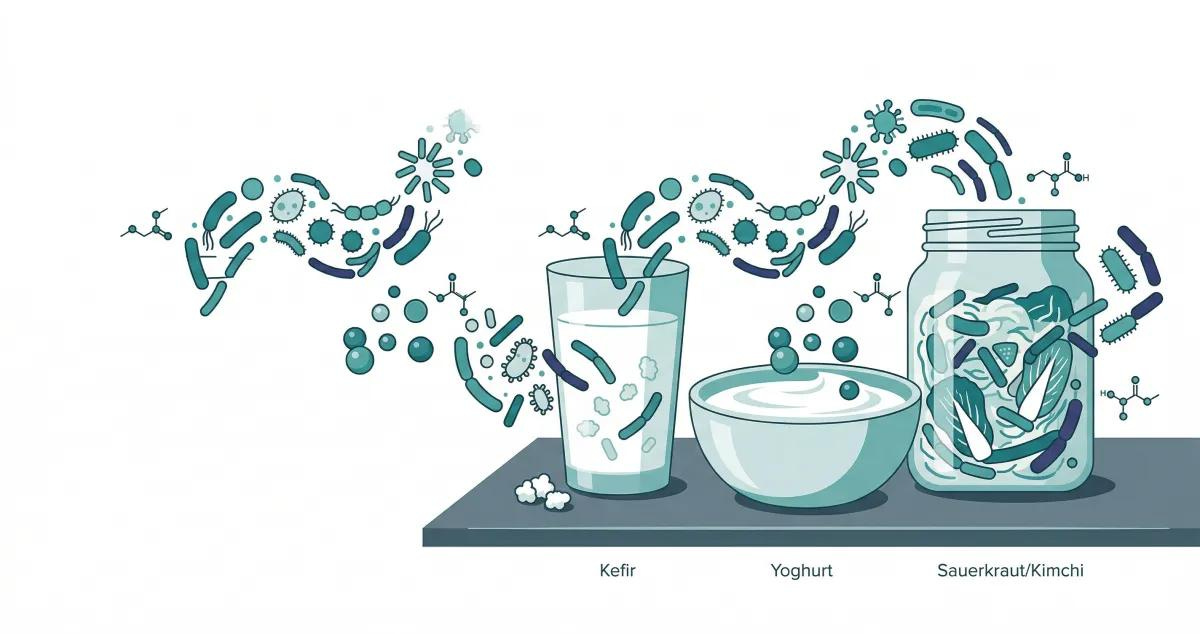
After several weeks, participants eating fermented foods developed greater gut microbial diversity.
In the fermented-food group, researchers observed an increase in gut bacterial diversity and significant declines in 19 of 93 immune-related proteins, including IL-6.
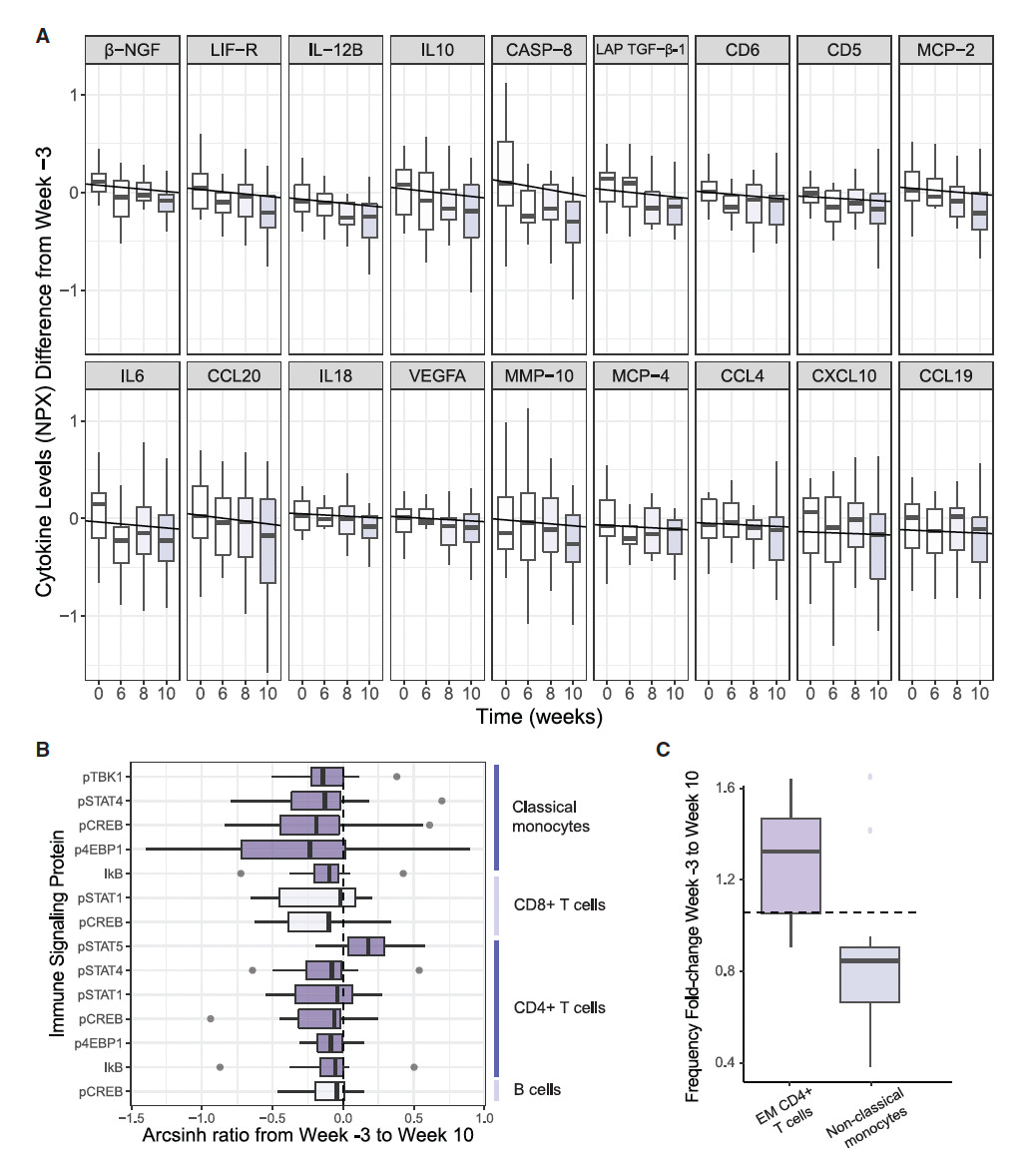
Figure 2 presents results from the fermented-food group only.
(A) Blood inflammatory proteins: Each graph represents a different protein. The four progressively darker shades represent measurements at weeks 0, 6, 8, and 10, respectively—not four different groups of people. Changes are measured relative to the pre-intervention baseline (week −3). The figure displays 18 proteins that decreased significantly; a nineteenth, FGF-21, is not shown.
(B) Immune-cell signaling: Changes in signaling activity within four types of immune cells: classical monocytes (cells involved in early immune responses), CD8+ T cells (cells that recognize infected or abnormal cells), CD4+ T cells (cells that coordinate immune responses), and B cells (cells involved in antibody production). Measurements compare week 10 with baseline.
(C) Immune-cell populations: Changes in the relative proportions of effector-memory CD4+ T cells and non-classical monocytes between baseline and week 10.
These findings suggest that fermented foods may influence inflammatory signaling. However, the figure reports changes within the fermented-food group rather than directly demonstrating that these changes were greater than those in the high-fiber group. The trial was small, and its primary immune outcome was not statistically significant. The findings are promising, but they should be viewed as preliminary evidence rather than proof that fermented foods reduce inflammation more effectively than fiber. The high-fiber group did not show the same increase in microbial diversity, but its bacteria adapted to break down complex carbohydrates more efficiently.
This suggests that fiber and fermented foods may support the microbiome in different, complementary ways.
This raises a larger question: Do other nutrients influence the microbiome in ways that help explain their effects on the brain?
Could the microbiome explain our different responses to omega-3s?
Omega-3 fatty acids are involved in brain cell membranes and inflammatory signaling. Yet clinical trials of omega-3 supplements have produced inconsistent cognitive results.
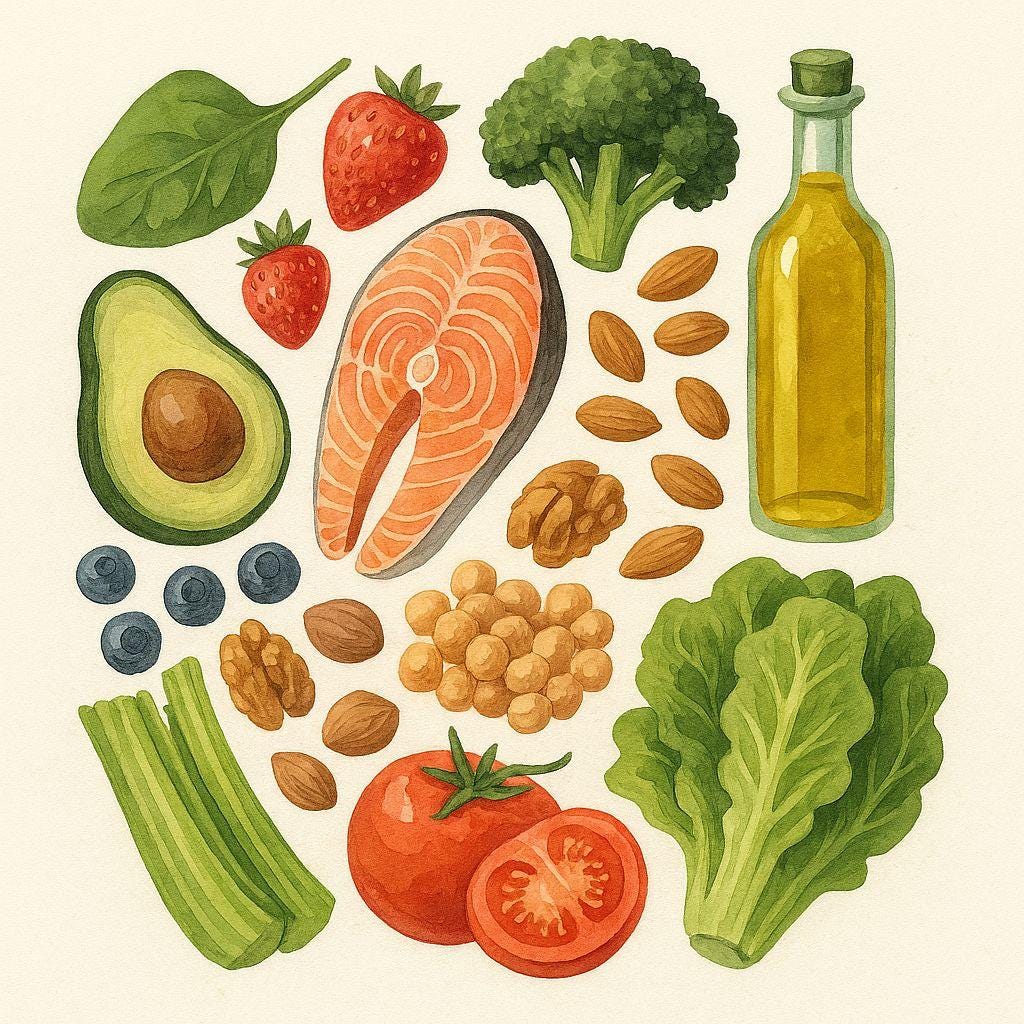
Why might a nutrient associated with healthier brain aging in observational studies show less consistent benefits when given as a supplement?
In a review with Bilal Kerman and Wade Self, we explored whether the gut microbiome might help explain this puzzle [4].
We found that omega-3 intake can alter intestinal bacterial communities, sometimes increasing microbial diversity and bacteria associated with favorable inflammatory profiles. However, responses vary among individuals and studies.
We proposed that the response to omega-3s may depend partly on the background diet and existing microbiome.
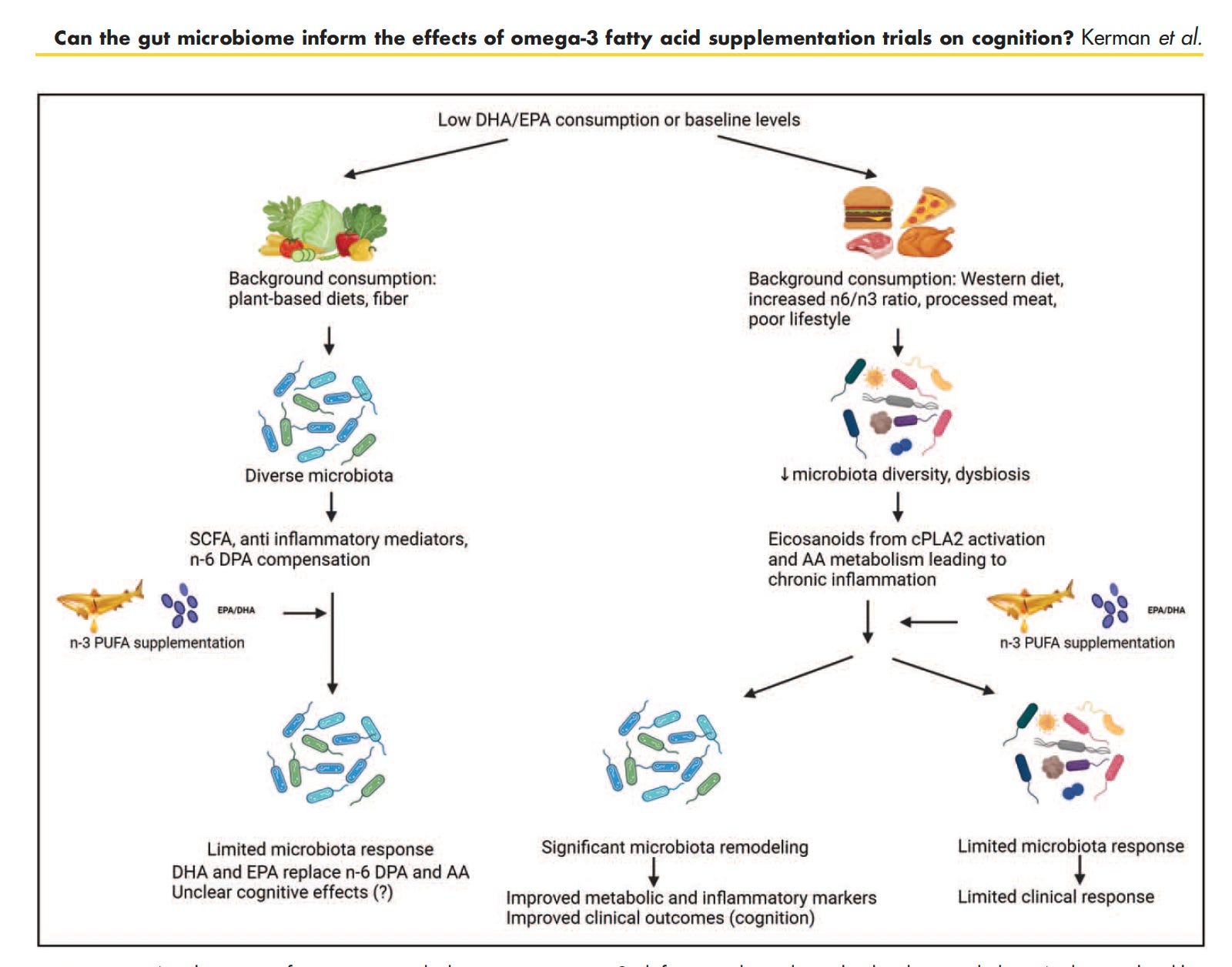
Someone eating a fiber-rich diet may respond differently from someone consuming a diet dominated by processed foods and saturated fats. Their microbial communities and inflammatory environments may differ before the omega-3s are even introduced.
This remains a hypothesis requiring further testing, but it illustrates an important concept: nutrients do not act in isolation.
It may also help explain why adding a supplement does not always reproduce the benefits associated with a healthy dietary pattern. Supplements can be useful for specific needs, but they cannot automatically replicate the many interacting components of whole foods.
What might these microbial interactions mean over an entire lifetime?
The woman who lived to 117—and ate yogurt every day
In 2025, Eloy Santos-Pujol, Manel Esteller, and colleagues published a remarkable investigation of Maria Branyas Morera, who lived to 117 years and 168 days [5].
I dedicated a post on Maria’s case, underscoring the role of inflammation in aging. One detail caught my attention: she reportedly ate approximately three yogurts every day.
The researchers examined her genetics, metabolism, immune function, and gut microbiome.
They found unusually high microbial diversity and particularly high levels of Bifidobacterium, a bacterial group associated with several beneficial metabolic and immune functions.
She also had low levels of several inflammatory markers and a favorable blood lipid profile.
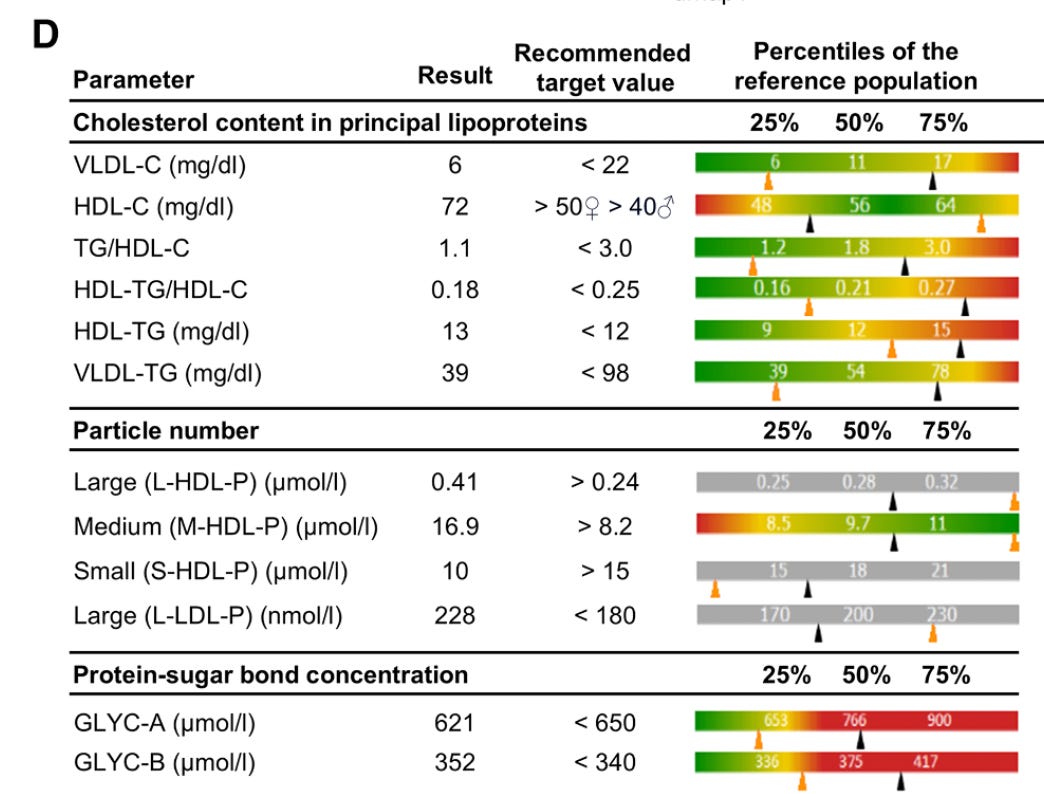
Figure 5 shows blood markers in Maria Branyas Morera at approximately 116 years of age and compares her results with reference values from Spanish population cohorts. The measurements included cholesterol and other blood fats, proteins associated with cardiovascular risk, markers of inflammation, and small molecules involved in metabolism.
Each row represents a different blood measurement. The Result column gives Maria’s measured value, while the Recommended target value column shows a reference threshold or range. The horizontal bars display the distribution of measurements in a comparison population, with the 25th, 50th, and 75th percentiles marked. An orange arrow indicates Maria’s result, while a black arrow marks the comparison value. Where cardiovascular-risk information is available, green indicates a favorable range, yellow an intermediate range, and red a less favorable range. Gray bars indicate measurements without this color-coded cardiovascular-risk classification.
Inflammation: Two particularly relevant measurements are GlycA and GlycB, shown near the bottom left. These markers reflect proteins released during inflammatory responses. Maria’s GlycA was 621 μmol/L, below the recommended threshold of 650 μmol/L, while her GlycB was 352 μmol/L, slightly above the threshold of 340 μmol/L.
Metabolic health: The remaining measurements describe cholesterol transport, circulating fats, and metabolites such as amino acids, lactate, and creatinine. Maria showed several favorable cardiovascular measurements alongside some values reflecting her extremely advanced age, with a high concentration of large and medium-sized HDL particles. The large LDL particle number was higher than the average group. The combination of elevated HDL and LDL particles rules out lower CETP activity, as that would be associated with elevated HDL and lower LDL particle count. The low small HDL particle to large HDL particle ratio suggests a very efficient conversion of small to large HDL. This pattern fits an efficient lipid exchange among particles.
The figure describes one exceptionally long-lived individual. It does not establish that her diet, microbiome, or any particular lifestyle habit caused these blood measurements or her longevity.
Could her yogurt consumption have contributed to her unusual microbiome? Possibly. The researchers proposed that it might have supported an intestinal environment favorable to Bifidobacterium.
But would eating three yogurts every day help someone else live to 117?
Of course not.
Maria’s yogurt was part of a much broader pattern. She followed a Mediterranean-style diet, enjoyed walking and gardening, maintained social relationships, and had a distinctive genetic and metabolic profile.
The lesson is not that yogurt is a miracle food. It is that healthy aging may reflect the interaction of diet, microbial communities, inflammation, genetics, and lifelong habits.
The Stanford study showed that fermented foods can change the microbiome and inflammatory markers within weeks. Maria’s story offers an intriguing example of exceptional longevity accompanied by a diverse microbiome and favorable inflammatory profile.
And recent research suggests that we should look beyond the gut.
Could bacteria in our mouths also influence aging?
In September 2026, Jiawei Chen, Jing-Dong J. Han, and colleagues investigated whether oral microorganisms were associated with biological aging [6].
One bacterium stood out: Neisseria flavescens.
People with higher levels of this bacterium tended to show biological profiles associated with slower aging.
The investigators went further. In laboratory experiments, live N. flavescens extended lifespan and healthspan—the period of life spent in relatively good health—in small roundworms. In older mice, heat-killed bacteria shifted several metabolic measurements toward patterns resembling those of younger animals.
These findings suggest that particular microorganisms, or substances they produce, may influence biological pathways involved in aging.
But this was not a human intervention showing that increasing N. flavescens slows aging. It is an exciting biological hypothesis supported by human associations and experimental models.
The obvious question is: Can our diet influence these oral microorganisms?
Could leafy greens nourish beneficial oral bacteria?
Spinach, arugula, lettuce, and beetroot contain naturally occurring dietary nitrate.

Certain oral bacteria, including members of the Neisseria genus, convert nitrate into nitrite. Our bodies can then use nitrite to produce nitric oxide, a signaling molecule that helps blood vessels relax.
This connection is particularly interesting for brain health because healthy blood vessels and adequate cerebral blood flow are essential for maintaining cognitive function.
In a 2024 randomized study, consuming nitrate-rich leafy vegetables increased the abundance of oral bacteria belonging to the Neisseria genus [7]. Other experiments have reported changes in N. flavescens specifically following nitrate exposure.
These findings suggest that leafy greens may nourish oral bacteria involved in vascular health.
They also illustrate how the microbiome can help us understand what happens between eating a food and experiencing its biological effects.
Importantly, nitrate-rich vegetables should not be confused with the health effects of processed meats preserved with nitrate or nitrite. The nitrate ion is chemically the same, but its food context differs. Vegetables supply fiber, vitamins, and other beneficial compounds, whereas processed meats contain additional substances and can promote the formation of potentially carcinogenic N-nitroso compounds.
There is no contradiction between encouraging leafy greens and limiting processed meats.
A healthy pattern doesn’t have to be expensive
The science is sophisticated, but the practical message can be simple.
Start with what you can reduce: smoking, processed meats, sugary drinks, excess refined sugars, and heavily processed foods that displace more nutritious choices.
Then build a healthier pattern using foods and habits that fit your budget.
Plain yogurt is often less expensive than specialty probiotic products. Beans and lentils are affordable sources of fiber. Frozen spinach provides many of the benefits of fresh leafy greens. Canned sardines offer marine omega-3s without the cost of fresh salmon, while ground flaxseeds provide plant omega-3s.
The same principle applies beyond food. Walking, spending time with friends, gardening in a few pots, and maintaining regular sleep habits need not require expensive products or memberships.
Of course, access to nutritious food, safe outdoor spaces, and time for adequate sleep is not equal for everyone. The goal is progress within individual circumstances, not an idealized routine.
Perhaps the most useful pattern for healthy aging includes:
Fermented foods, such as plain yogurt, when affordable and tolerated.
Leafy greens and fiber-rich plants, including frozen vegetables, beans, and lentils.
Omega-3-rich foods, such as sardines, walnuts, and flaxseeds.
Regular physical activity, including walking and gardening.
Time outdoors and sensible sunlight exposure, without excessive UV exposure.
Good company and meaningful social connections.
Consistent, restorative sleep.
Avoiding smoking and reducing processed meats and excess refined sugars.
These habits influence different biological pathways, including metabolism, inflammation, vascular health, and potentially the microbiome. Many may reinforce one another.
The goal is not to buy more products. It is to build a healthier pattern of living.
What remains uncertain—and what should we study next?
The biological links between diet, microorganisms, inflammation, and brain health are compelling, but important questions remain. The fermented-food study measured microbial and immune changes, not dementia prevention. The supercentenarian study described one exceptional individual. The N. flavescens experiments suggest possible aging-related effects, but human clinical benefits have not yet been established.
The central question is whether changing microbial communities through diet leads to meaningful improvements in brain health, particularly among APOE4 carriers.
Nutrition studies are difficult: diets contain thousands of interacting compounds, people respond differently to the same foods, and Alzheimer’s disease develops over decades.
Rather than relying exclusively on large trials, smaller, deeply phenotyped studies may be especially informative. By measuring microbial communities, their metabolites, inflammatory markers, vascular function, and Alzheimer’s biomarkers in the same individuals, researchers can investigate how dietary interventions work, for whom, and at what stage of life.
This could move us beyond debates about individual foods or supplements toward a more personalized understanding of nutrition.
Take-home messages
No single diet has been proven best for APOE4 carriers. Dietary quality matters more than the name of the diet.
The microbiome may help explain how foods influence inflammation, an important pathway in brain aging.
Fermented foods can increase gut microbial diversity and alter inflammatory markers, while omega-3s may influence complementary microbial and metabolic pathways.
Leafy greens may support oral bacteria involved in nitric oxide production and vascular health.
Healthy aging is about patterns, not miracle foods or supplements. The woman who lived to 117 illustrates the importance of considering diet alongside lifelong habits, biology, and genetics.
Healthy changes can be affordable. Start with fewer harmful exposures and build sustainable habits around accessible nutritious foods, movement, social connection, and sleep.
Perhaps the most memorable picture of healthy living is also a simple one:
Yogurt, leafy greens, omega-3-rich foods, sunshine, movement, good company, and good sleep.
Not a formula for reaching 117, but a pattern of habits worth cultivating.
And perhaps the future of personalized nutrition will be less about discovering one perfect diet and more about understanding how food, microbes, inflammation, and our genes interact to shape lifelong brain health.
References
Urich TJ, Tsiknia AA, Ali N, et al. APOE ε4 and Dietary Patterns in Relation to Cognitive Function: An Umbrella Review of Systematic Reviews. Nutrition Reviews. 2024. https://doi.org/10.1093/nutrit/nuae156
Yassine HN, Samieri C, Livingston G, et al. Nutrition state of science and dementia prevention: recommendations of the Nutrition for Dementia Prevention Working Group. Lancet Healthy Longevity. 2022;3–e512.
Wastyk HC, Fragiadakis GK, Perelman D, et al. Gut-microbiota-targeted diets modulate human immune status. Cell. 2021;184:4137–4153.e14. https://doi.org/10.1016/j.cell.2021.06.019
Kerman BE, Self W, Yassine HN. Can the gut microbiome inform the effects of omega-3 fatty acid supplementation trials on cognition? Current Opinion in Clinical Nutrition and Metabolic Care. https://doi.org/10.1097/MCO.0000000000001007
Santos-Pujol E, Noguera-Castells A, Casado-Pelaez M, et al. The multiomics blueprint of the individual with the most extreme lifespan. Cell Reports Medicine. 2025;6:102368. https://doi.org/10.1016/j.xcrm.2025.102368
Chen J, Ren Y, Zhou Y, et al. Multi-modality profiling identifies Neisseria flavescens as a central geroprotective oral commensal in humans. Nature Aging. 2026. https://doi.org/10.1038/s43587-026-01220-0
The Effect of Dietary Nitrate on the Oral Microbiome and Salivary Biomarkers in Individuals with High Blood Pressure. The Journal of Nutrition. 2024. https://pubmed.ncbi.nlm.nih.gov/39019159/
Disclosure: This post contains partially AI-assisted text. All references were reviewed for accuracy. I have no relevant conflicts of interest. These opinions are mine and do not reflect the opinions of my employer.
The Tsiknia umbrella review you mention as being evidence that a ketogenic diet does nothing much to help cognition in apoe4 carriers is barely informative of such a conclusion, not to mention that the type of ketogenic diet recommended for apoe4 carriers is a modified ketogenic diet, low in saturated fat and high in monounsaturated fat and antioxidants, which is was not reviewed in that article.
Dr. Dale Bredesen has had enormous success with the modified ketogenic diet (which is more about helping increase endogenous ketone production and lowering inflammation than it is about saturated fat) and strategic nutriceuticals, not just omega 3 fatty acids, for example, but phospholipid bound DHA which easily crosses the BBB in apoe4 carriers, bypassing the malfunctions which normally present with other forms of omega 3 fatty acids, healing the BBB to the point of allowing glucose and ketones to effectively cross it. This tactic along with restoring insulin sensitivity makes the modified ketogenic diet optimal for those who are over the age of 50 or struggling already with MCI.
https://pmc.ncbi.nlm.nih.gov/articles/PMC6338661/